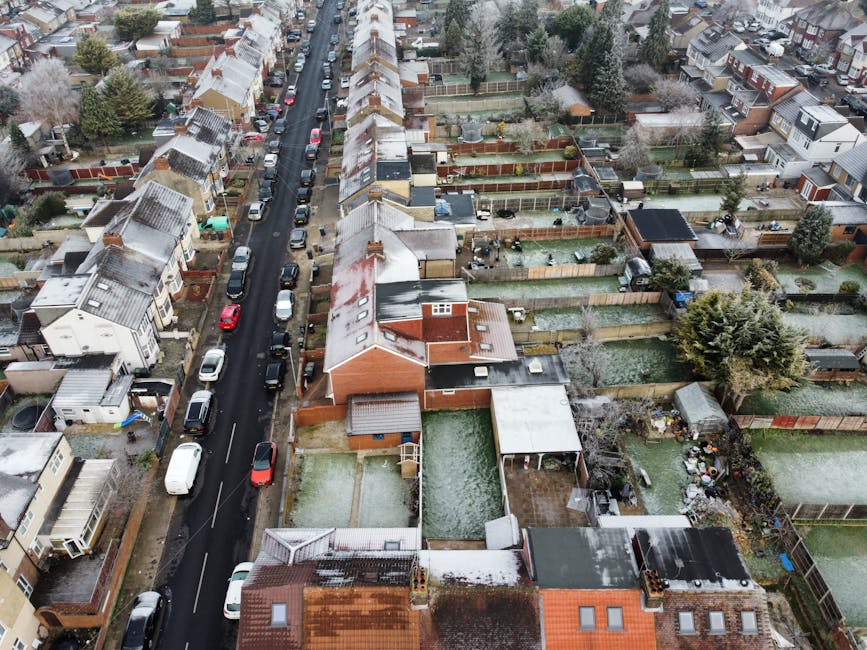
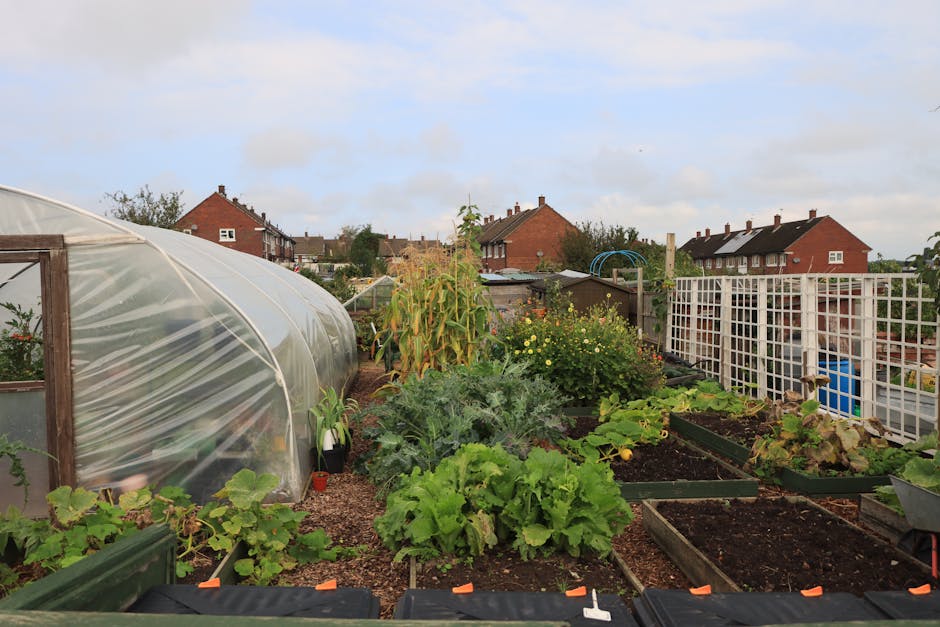
Walthamstow Market area gardeners for compact front gardens
If you live near Walthamstow Market, you probably know the feeling: a front garden that is just big enough to matter, but too small to waste. There is nowhere to hide a messy hedge, nowhere to let the lawn get away from you, and every inch has to earn its keep. That is exactly why Walthamstow Market area gardeners for compact front gardens are such a valuable help. They know how to make tight spaces look tidy, welcoming, and genuinely useful without turning them into a high-maintenance headache.
In compact front gardens, the best results usually come from restraint, clear structure, and smart planting choices rather than trying to cram in everything at once. A good local gardener can help you get the balance right: a neat entrance, enough greenery to soften the house, and a layout that still feels open. Below, you will find a practical guide to what works, what does not, and how to make better decisions for a small front space in this part of London.
Table of Contents
- Why Walthamstow Market area gardeners for compact front gardens Matters
- How Walthamstow Market area gardeners for compact front gardens Works
- Key Benefits and Practical Advantages
- Who This Is For and When It Makes Sense
- Step-by-Step Guidance
- Expert Tips for Better Results
- Common Mistakes to Avoid
- Tools, Resources and Recommendations
- Law, Compliance, Standards, or Best Practice
- Options, Methods, or Comparison Table
- Case Study or Real-World Example
- Practical Checklist
- Conclusion
- Frequently Asked Questions
Why Walthamstow Market area gardeners for compact front gardens Matters
A compact front garden does a lot of work. It is the first thing you see when you come home, the bit visitors notice before they ring the bell, and often the strip of outside space that gives a terraced or semi-detached property its character. In a busy local setting like the Walthamstow Market area, a front garden also has to cope with foot traffic, bin storage, parking edges, boundary pressure, and the general reality of London weather. Not glamorous, but very real.
That is why small-space gardening is a different discipline. A design that works in a larger suburban front garden can feel clumsy in a narrow one. Tall planting can block light. Too many materials can make the space feel chopped up. A front lawn may look neat for five minutes and then become the one thing you are always trimming. The best gardeners understand that the aim is not abundance for its own sake. It is clarity, ease, and a front garden that quietly lifts the whole property.
There is also a practical side. Compact front gardens can be awkward to maintain if they have overgrown shrubs, poor drainage, patchy paving, or awkward access. You do not want a beautiful space that becomes a weekly battle. In our experience, the happiest homeowners are the ones who decide early whether they want a decorative entrance, a simple low-maintenance layout, or a mix of both. Once that decision is clear, the rest becomes much easier.
How Walthamstow Market area gardeners for compact front gardens Works
The process usually starts with a straightforward assessment of the space. A good gardener will look at how much light the area gets, where water collects, how the path flows, and what the front garden is actually being used for. Sounds obvious, but this is where many small gardens go wrong. People start with plant ideas before they have really looked at the space itself. A small front area is less forgiving than it looks.
From there, the work usually falls into a few clear stages. First comes clearing or cutting back anything that is crowding the space. That might mean tidying boundary plants, removing tired growth, or reducing awkward overhanging branches. If the garden is very cluttered, a service such as garden clearance may be the most sensible first step. It creates a clean slate so the layout can be improved properly rather than patched over.
Next comes structure. In a compact front garden, structure matters more than a big planting list. Edges, borders, stepping points, and a clear entrance line all help the eye read the space quickly. Some homeowners want a soft planted look, others prefer more hard landscaping, and a few want both. That is where local landscape gardening and broader landscaping services can make the difference between a garden that feels improvised and one that feels well considered.
Finally, the maintenance plan is matched to the design. A small front garden can look fantastic, but only if it is looked after in a realistic way. Low hedging needs trimming, lawn edges need attention, and seasonal growth needs managing before it spills over the path. That is why ongoing garden maintenance often matters as much as the initial makeover.
Key Benefits and Practical Advantages
The biggest benefit is simple: a well-planned compact front garden makes a home feel cared for. That is true whether the property is a Victorian terrace, a post-war house, or a newer build with a small paved frontage. The effect is immediate. The front of the house looks cleaner, more ordered, and more inviting. On a grey morning, that little bit of green or structure makes a difference. Honestly, you notice it every time you walk up to the door.
- Better first impressions: neat lines and healthy planting create a welcoming feel.
- More usable space: compact gardens work best when every section has a purpose.
- Less weekly effort: a sensible layout reduces the time spent wrestling with overgrowth.
- Improved safety and access: clear paths and tidy edges make it easier to move in and out.
- Stronger property character: a well-kept front garden helps the house feel finished rather than forgotten.
There is also a subtle but important advantage: better decision-making. Once a small front garden is designed around its limits, you stop treating it like a failure for not being larger. That may sound a bit philosophical for a flowerbed, but it matters. Compact spaces often improve when people accept their scale and work with it instead of against it.
If you want a little more visual structure, simple features such as edging, compact evergreen planting, or a small decked approach can be very effective. For some properties, a modest decking service may help create a clean threshold area near the entrance. Used carefully, it can make the front garden feel deliberate rather than cramped.
Who This Is For and When It Makes Sense
This kind of gardening is ideal for homeowners who have limited frontage and want better results without turning the garden into a large project. It suits people who like a tidy entrance, residents who want lower upkeep, and anyone trying to make a small garden feel brighter and less cluttered. It is also a good fit for landlords who want the property to present well, and for households where the front garden has become a bit of a catch-all for bikes, pots, old bricks, and the odd forgotten plant pot. We have all seen that situation. It sneaks up on people.
It makes sense when:
- the front garden feels too small for the current planting scheme
- shrubs have outgrown the space and block light or access
- you want a front garden that looks good year-round with minimal fuss
- the path or entrance feels awkward to use
- you are preparing a property for sale or rent and want it to look well cared for
It may also be the right moment if you have been doing a bit of maintenance yourself but are now stuck with the bigger decisions. A tidy-up can help, sure. But if the space itself is badly organised, you may need a more considered approach. That is where local help pays off because the solution is not always more plants. Sometimes it is fewer, better-chosen plants.
Step-by-Step Guidance
If you are planning work on a small front garden, the safest way to avoid wasted effort is to go step by step. Small spaces expose rushed decisions very quickly. A hedge planted in the wrong place or a border built too deep can dominate the whole frontage. Here is a practical route that tends to work well.
- Clear the space properly. Remove dead growth, broken containers, weeds, and anything that no longer serves the layout. If the garden is badly congested, consider a proper clearance first.
- Measure the usable areas. Work out where the path sits, where the bins go, and how much room is left for planting or surfacing.
- Decide the main purpose. Do you want more greenery, easier maintenance, a better entrance, or all three in balance?
- Choose the right structure. Low edging, narrow borders, compact hedging, or a simple paved or decked section can organise the space.
- Select plants that suit the size. Look for compact, tidy, and reliable species rather than fast growers that will need constant cutting back.
- Plan maintenance from the start. The best small front gardens are designed with upkeep in mind, not as an afterthought.
A small practical tip: stand at the gate, then at the front door, and look back and forth. What do you see first? What is getting in the way? What feels visually heavy? Those simple observations are often more useful than a fancy sketch. Not everything needs a design degree, thankfully.
Expert Tips for Better Results
In compact front gardens, restraint is often the smartest design choice. A lot of people assume that a small space needs more variety to feel interesting. Usually it is the opposite. Repetition, clean lines, and a limited number of plant types tend to look more elegant and easier to care for. You want the eye to move calmly, not bounce around like it is late for a train.
Use vertical interest sparingly. A single upright shrub or small tree can add height, but too many tall plants will make the area feel pinched. If you do want structure, keep it narrow and well maintained. Services such as hedge trimming can be essential where boundary plants start edging into paths or windows.
Keep the path obvious. A front garden should lead people comfortably to the door. If stepping stones, edging, or borders make the route feel uncertain, simplify them. The best front gardens are welcoming without trying too hard.
Do not ignore pruning cycles. Small gardens can become messy very quickly if shrubs are allowed to swell beyond their intended size. Regular trimming is easier than one big rescue job later. Honestly, the later job is rarely fun.
Think in surfaces as well as plants. A compact front garden can benefit from a practical surface that is easy to sweep and keeps mud down in wet weather. In some cases, light hard landscaping or a modest decked section near the entrance can create a cleaner finish. The trick is proportion. Too much hard surface and the place feels stark; too little and it feels unplanned.
Match the maintenance level to real life. If you work long hours or travel often, choose a simpler design. If you enjoy regular gardening, you can afford a little more detail. There is no prize for picking a garden you do not actually have time to care for.
Common Mistakes to Avoid
Small front gardens have a way of magnifying mistakes. A slightly wrong plant becomes a big problem. A cluttered edge makes the entrance feel tight. A poor layout gets noticed every time you open the door. The good news? Most mistakes are avoidable once you know what to watch for.
- Choosing plants that grow too large. Fast-growing shrubs may look great in the nursery and then become a hassle within a season or two.
- Overcomplicating the design. Too many materials or colours can make a small frontage feel busy and cramped.
- Ignoring maintenance access. If you cannot comfortably trim, weed, or clean the area, the layout is not working.
- Blocking windows or doors. It sounds obvious, but plants are often placed where they look nice for a week and cause frustration later.
- Letting boundaries dictate everything. A front garden should feel cohesive, not squeezed by fences, bins, and awkward leftover corners.
Another common issue is trying to solve an overgrown garden with styling alone. A few pots will not rescue a badly arranged space. A tidy pot arrangement on top of poor structure is still, well, a poorly structured garden. You need the bones right first.
Tools, Resources and Recommendations
Good results usually come from a sensible mix of simple tools and practical services. For many compact front gardens, a dependable routine matters more than specialist equipment. A sharp pair of secateurs, a hand fork, a sturdy broom, and a decent trimmer can do a lot. For more substantial work, especially when there is serious overgrowth, a professional cut-back or clearance may save time and reduce mistakes.
Here is a straightforward way to think about the main support services:
- Garden maintenance: best for keeping an already sensible layout under control over time.
- Lawn mowing: useful where a small front lawn is part of the design and needs consistent cutting.
- Hedge trimming: ideal for keeping boundary planting compact and well-shaped.
- Garden clearance: helpful when the space needs a reset before design or replanting.
- Landscape gardening: suitable where the layout itself needs rethinking, not just tidying.
For homeowners who want to understand service scope before starting, the services overview is a useful place to compare the kind of work that may be involved. And if you want to know how estimates are handled, the pricing and quotes page can help set expectations before any work begins.
One quiet but important recommendation: think about waste and disposal early. Even a small front garden can produce more cuttings, soil, and old material than people expect. If you are clearing a cluttered area, a plan for recycling and disposal keeps the job neat from start to finish.
Law, Compliance, Standards, or Best Practice
For most front garden projects, there is no dramatic legal maze, but there are still sensible standards to follow. If a garden borders a public pavement, access route, or shared boundary, it is wise to keep plants and surfaces from obstructing movement. Overhanging growth, slippery surfaces, trip hazards, and poor visibility near entrances are the kinds of issues that can create avoidable problems. Nothing glamorous there, just practical reality.
Best practice in a residential setting usually means:
- keeping paths clear and level where possible
- avoiding loose materials that can scatter onto public walkways
- managing overhanging branches and hedges before they become intrusive
- using safe working methods for tools, ladders, and cutting equipment
- making sure any waste is handled responsibly
If you are hiring help, it is reasonable to ask how they approach safety and insurance. A trustworthy local company should be happy to discuss working practices in plain English. The relevant policies and reassurances should be easy to understand, not hidden behind jargon. You can also review practical details such as insurance and safety and the health and safety policy if you want more clarity before booking.
Environmental responsibility matters too. Compact gardens create smaller quantities of waste than big ones, but those clippings and materials still need handling properly. If sustainability is important to you, take a look at recycling and sustainability to see how that side of the job is approached.
Options, Methods, or Comparison Table
There is no single right answer for a compact front garden. The best method depends on how much time you have, how much privacy you want, and whether the space should feel green, formal, low-maintenance, or all of the above. A simple comparison helps.
| Approach | Best for | Main advantage | Trade-off |
|---|---|---|---|
| Soft planting focus | Homeowners who want a greener, gentler look | Feels welcoming and natural | Needs regular pruning and weeding |
| Low-maintenance structure | Busy households and landlords | Easier to keep tidy | Can feel plain if it is too sparse |
| Mixed layout | People who want balance | Good mix of greenery and order | Requires more thoughtful planning |
| Clearance and reset | Very overgrown or cluttered spaces | Creates a fresh starting point | Not a design solution on its own |
For most homes near Walthamstow Market, the mixed layout is the most flexible. It allows room for a little planting without making the front garden high-maintenance. That said, if the property is mostly practical and you just want it to look sharp, a simpler route can be better. No one enjoys mowing a postage-stamp lawn every week just because it seemed like a nice idea in April.
Case Study or Real-World Example
Imagine a narrow front garden on a terraced street near the market. It has a small path, two tired shrubs, a patch of struggling grass, and a couple of pots that have seen better days. From the pavement, it looks untidy rather than neglected exactly, but close enough. The owners want it to feel brighter and easier to manage, especially in wet weather when mud gets dragged to the door.
A practical approach would be to clear back the overgrown planting, remove the dead material, and decide whether the lawn is worth keeping. In many cases, a small lawn in a front garden is the first thing to go because it costs effort without adding much value. Replacing it with cleaner edging, a compact border, or a more durable surface can make the entrance feel calmer straight away. A touch of structural planting then brings back softness without crowding the path.
That sort of transformation is not about grandeur. It is about ease. The house feels better approached, the front step feels less busy, and weekly upkeep becomes simpler. A small change, yes, but the emotional effect is bigger than people expect. You see it as soon as you open the door on a damp Wednesday morning.
In situations like that, a local team offering lawn mowing, garden maintenance, and careful trimming can turn a cluttered frontage into something genuinely pleasant without overengineering it.
Practical Checklist
Use this checklist before you start work on a compact front garden. It keeps the project grounded and helps you avoid the sort of errors that are easy to make when you are rushing.
- Is the entrance path clear, safe, and easy to walk through?
- Have you removed dead, broken, or unwanted material first?
- Do the plants suit the actual size of the space?
- Will the layout still look good after a few weeks of growth?
- Can you maintain the garden without awkward reaching or heavy lifting?
- Have you kept sightlines to the door and windows open?
- Is there a plan for waste, clippings, and old materials?
- Does the design fit your real routine, not your ideal routine?
- Have you allowed enough time for pruning and seasonal tidy-ups?
- Would a clearer structure make the space feel bigger and calmer?
Expert summary: compact front gardens work best when the layout is simple, the planting is controlled, and maintenance is planned from day one. If the space feels easier to use, it usually looks better too.
Conclusion
Walthamstow Market area gardeners for compact front gardens bring real value because they understand the difference between a small space that is merely tidy and one that genuinely works. In a compact frontage, every choice counts: the plants, the path, the trimming, the surface, the maintenance rhythm. Get those right and the whole home benefits.
The best results are usually practical rather than flashy. Clear the clutter, keep the structure simple, and choose a finish that suits how you actually live. That is the kind of approach that lasts through rainy weeks, busy mornings, and the occasional wild growth spurt. And let's face it, gardens in London always seem to grow fastest when you are not looking.
If you are ready to improve your small front garden, start with a proper assessment and a realistic plan. A little expert help now can save a lot of frustration later, and the front of your home may feel calmer almost immediately.
Get a free quote today and see how much you can save.
Frequently Asked Questions
What do Walthamstow Market area gardeners for compact front gardens actually do?
They help with the practical design, clearing, trimming, planting, and maintenance of small front spaces so the garden looks neat, feels open, and is easy to manage.
Is a compact front garden better with plants or hard landscaping?
Usually the best answer is a mix of both. A little planting softens the space, while a simple hard surface or edging can keep the garden usable and tidy.
How often should a small front garden be maintained?
That depends on the planting and layout, but many compact front gardens benefit from regular light maintenance rather than occasional heavy work. Small, frequent jobs often prevent larger problems.
Can a very small front garden still look attractive?
Absolutely. Small gardens often look best when they are kept simple, with clear lines, controlled planting, and a few thoughtful details rather than lots of different features.
Do I need garden clearance before redesigning my front garden?
If the space is overgrown, cluttered, or full of old material, clearance is usually the best first step. It gives you a clean starting point for better planning.
What plants work well in compact front gardens?
Plants that stay naturally neat, do not spread too aggressively, and can handle regular pruning tend to work best. The exact choice depends on light, soil, and how much maintenance you want.
Is lawn a good idea for a small front garden?
Sometimes, but not always. Small lawns can be charming, yet they often need more care than people expect. Many homeowners eventually prefer a simpler, lower-maintenance option.
How do I stop a small front garden looking cluttered?
Limit the number of materials and plant types, keep borders tidy, and make sure the entrance path remains obvious. Clarity usually beats complexity in small spaces.
What should I ask before hiring a gardener for a compact front garden?
Ask about their approach to maintenance, safety, waste handling, and whether they can help with both design and upkeep. It also helps to ask how they would prioritise the work.
Can hedge trimming help make the front of my house look bigger?
Yes, in many cases. Careful trimming opens up light and space, which can make a narrow frontage feel more balanced and less enclosed.
How do I know whether I need maintenance or full landscaping?
If the layout is already sensible but needs tidying, maintenance may be enough. If the space feels badly arranged, cramped, or awkward to use, landscaping may be the better option.
Where can I learn more about the services available?
You can review the services overview to see how the different types of garden work fit together, then decide what suits your front garden best.