Same day emergency tree work gardeners in Walthamstow
If a tree has split, leaned suddenly, dropped heavy branches, or started blocking access after a storm, you do not want to spend hours wondering what to do next. In that moment, same day emergency tree work gardeners in Walthamstow are about speed, safety, and getting a damaged garden back under control before things get worse. The right response can prevent further breakage, reduce the risk of injury, and make the space usable again. It can also save you from a much bigger job tomorrow. Honestly, that's often the difference between a messy afternoon and a proper headache.
This guide explains what emergency tree work usually involves, how it works in practice, when it makes sense, what to ask before you book, and how to choose a service that feels calm, capable, and trustworthy under pressure.
Table of Contents
- Why same day emergency tree work matters
- How the service works
- Key benefits and practical advantages
- Who this is for and when it makes sense
- Step-by-step guidance
- Expert tips for better results
- Common mistakes to avoid
- Tools, resources and recommendations
- Law, compliance, standards and best practice
- Options, methods and comparison
- Case study or real-world example
- Practical checklist
- Conclusion
- Frequently asked questions
Why Same day emergency tree work gardeners in Walthamstow Matters
Emergency tree work is not just about cutting something down quickly. It is about controlling risk in a way that feels measured, not frantic. In a busy area like Walthamstow, where gardens often sit close to fences, sheds, side passages, parked cars, and neighbouring homes, a damaged tree can become a very immediate problem. One hanging limb, one unstable trunk, one root plate lifting in wet soil - and suddenly the whole space needs attention now.
That is why same day response matters. The point is to prevent a bad situation from becoming a dangerous one. A garden that looked merely untidy in the morning can be unsafe by lunchtime if wind picks up or the branch finishes splitting. You may also have a second issue on your hands: access. If a fallen tree blocks a gate, driveway, or shared pathway, time becomes more than a convenience. It becomes part of the solution.
There is also a practical side that people sometimes overlook. Fast tree work can protect surrounding plants, fences, decking, and turf from extra damage. If the team can stabilise the issue early, there is often less follow-up work, fewer surprises, and a cleaner end result. It is a bit like catching a leak before it soaks the ceiling. Not glamorous, but very welcome.
For ongoing garden support and longer-term planning, it helps to understand the wider service range too. You can review the wider garden services overview and see how emergency work often connects with follow-up maintenance, clearance, and safe re-shaping after the immediate problem is dealt with.
How Same day emergency tree work gardeners in Walthamstow Works
Most emergency calls follow a fairly simple pattern, although the exact response depends on the danger, access, weather, and size of the tree. The first step is usually a quick assessment over the phone or on arrival. A good gardener or tree work team will want to know what happened, whether the tree is still moving, whether anything is hanging over a roof, and whether power lines, glass, or boundaries are involved. That conversation matters. A lot.
After that, the job is typically prioritised by risk. For example, a split branch hanging over a public-facing path may be dealt with before a damaged shrub or a storm-twisted sapling in the back corner. If the tree is unstable, the team may make the area safe first and return for full removal or pruning once access and conditions are better. That approach is sensible, because emergency work is often about controlled decisions rather than rushing straight into the cut.
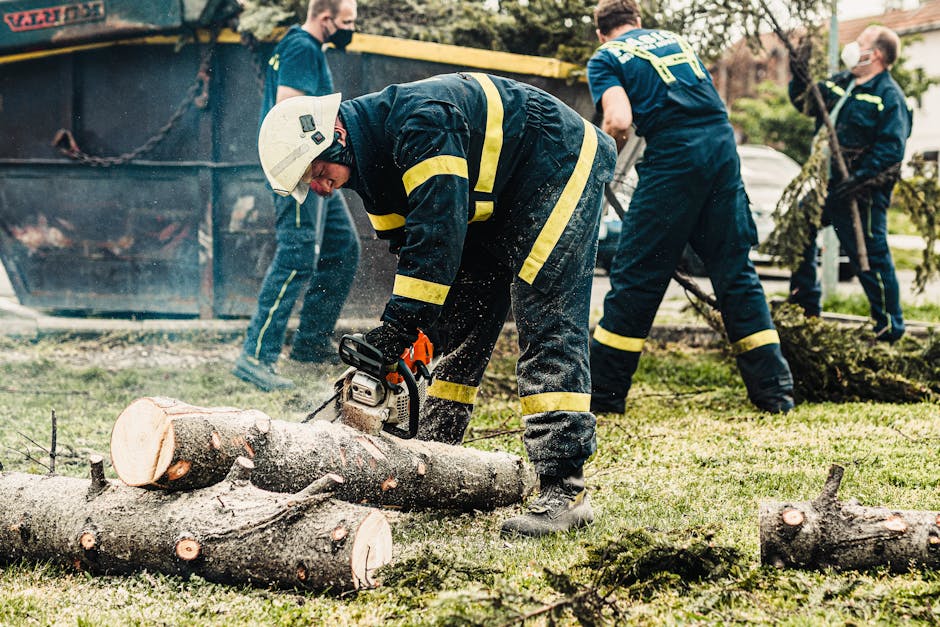
On site, the team may carry out one or more of the following:
- remove loose or dangerous branches
- reduce weight from a split limb
- clear fallen timber and debris
- make a leaning tree safe for later work
- carry out sectional dismantling where full removal is needed
- tidy the surrounding area so people can safely pass through
Where the situation is serious, the work may be done in stages. That sounds slower, but it is often the correct way to do it. A calm, careful approach is better than a dramatic one. Nobody wants a job that solves one problem and creates another.
If the emergency has left your garden cluttered with branches, bark, and wet leaf litter, follow-up clearance is often needed. In those cases, garden clearance support can help restore the space once the immediate danger has passed.
Key Benefits and Practical Advantages
The biggest benefit is obvious: safety. A damaged tree can fall without much warning, especially after wind, heavy rain, or freeze-thaw movement. Emergency tree work reduces that risk quickly and gives you breathing room. But there are some less obvious benefits too.
1. Faster protection for property and neighbours. If a limb is resting on a fence or leaning across a boundary, prompt action can limit damage. That is often kinder to everyone involved, too. Neighbours notice when a problem is being handled responsibly.
2. Less stress. A tree issue can feel oddly personal when it is in your own garden. People stare at it all day, worrying. Once a capable team is booked, the whole atmosphere changes. You can think again.
3. Better decision-making. Emergency specialists can tell the difference between a tree that needs urgent removal and one that only needs careful reduction or temporary stabilisation. That distinction matters, because not every storm-damaged tree is beyond saving.
4. Cleaner recovery. Good emergency work is not only about the cut. It is also about leaving the site safer and more manageable. Trimmings, branches, and unstable debris should not be left scattered around if they can be cleared properly.
5. A sensible path into follow-up care. Emergency work often reveals longer-term needs: crown thinning, deadwood removal, hedge reshaping, or ongoing maintenance. That makes the job part of a bigger, more practical plan rather than a one-off panic fix.
To keep everything in good shape after the urgent part, many homeowners also look at regular upkeep through garden maintenance services, especially where trees and shrubs are close to structures or shared access points.
Who This Is For and When It Makes Sense
Same day emergency tree work is for anyone facing an immediate tree-related safety or access issue. That includes homeowners, landlords, managing agents, small businesses with outdoor space, and anyone responsible for a shared garden or boundary tree.
It makes sense when:
- a tree has partially fallen or is leaning suddenly
- a large branch has cracked and is still hanging
- wind has scattered debris across paths or patios
- a tree is pressing on fencing, sheds, or decking
- branches are obstructing a driveway or side access
- you are worried the problem could worsen before morning
It may also make sense if a tree has been showing warning signs for a while and then, after a storm, the situation changes quickly. Slow splits, dead limbs, and root movement are easy to ignore until one rainy night changes the picture. Let's face it, trees rarely break at a convenient time.
Emergency work is not the same as routine trimming, and it is not always the same as full removal. A skilled team should be able to explain whether the best answer is immediate reduction, safe dismantling, debris clearance, or a temporary make-safe visit followed by a fuller plan. That judgement call is part of the service.
Step-by-Step Guidance
If you are dealing with a tree emergency, here is the most sensible way to approach it. The order matters, especially if the tree is unstable or near a structure.
- Keep people away from the area. Do not stand under a hanging branch or try to pull it free by hand. That sounds obvious, but in a tense moment people do odd things.
- Look for immediate hazards. Check whether the tree is touching power lines, blocking exits, or leaning onto a roof. If electricity is involved, treat it as a high-risk situation and do not approach.
- Take a few clear photos from a safe distance. These help the gardener or tree work team understand the issue before arriving. A quick visual can save a lot of back-and-forth.
- Describe what changed. Was there a sudden crack, heavy wind, or a visible shift in the root base? That context helps with triage.
- Ask what can be done the same day. Sometimes the answer is immediate make-safe work. Sometimes full removal is realistic. Sometimes a return visit is the safer choice.
- Confirm access. Make sure gates are unlocked, bins moved if needed, and vehicles can be shifted if the work area is tight.
- Clarify waste and tidying expectations. If branches, trunks, or shredded material need removal, ask how the site will be left. That avoids surprises later.
One small thing: if the tree is on a shared boundary, tell the neighbour as soon as you reasonably can. A simple heads-up often prevents confusion. Not every boundary chat has to become a drama.
Expert Tips for Better Results
Emergency tree work is much smoother when the first conversation is clear and calm. Here are a few practical tips that genuinely help.
Be specific about the location of the damage. "The tree is broken" is useful, but "the large limb is hanging over the rear path and touching the shed roof" is much better.
Ask whether the team can make the site safe before doing a full removal. In some cases, a staged approach is safer and more cost-effective. In others, a complete dismantle is the right call. A good operator will explain why.
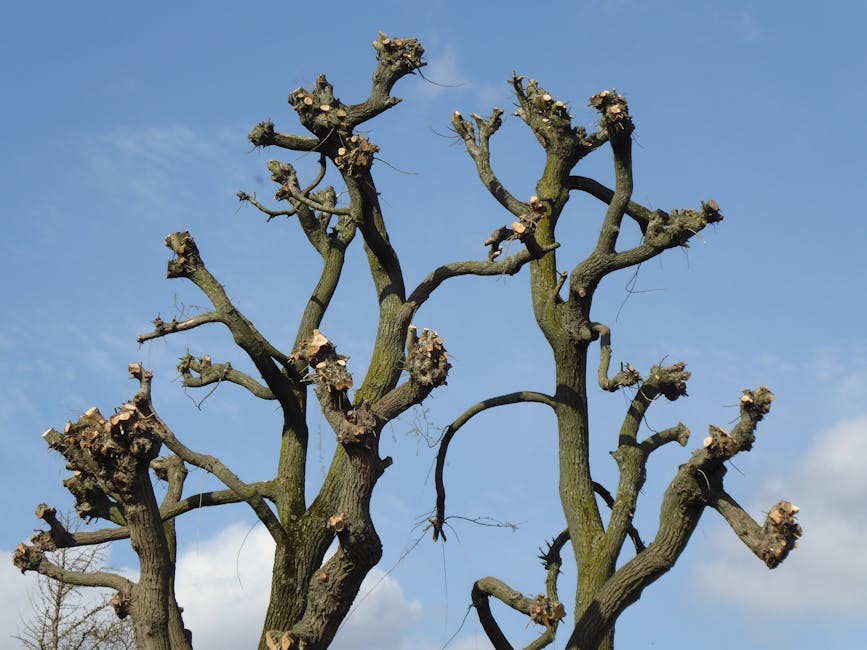
Do not assume every branch needs cutting. Sometimes a branch can be retained if it is stable after reduction. Over-cutting can make a healthy tree weaker than necessary. Truth be told, "just chop it all off" is not always the smartest answer.
Look for tidy, controlled work rather than speed alone. Same day does not have to mean careless. You want urgency with judgement. That combination is the sweet spot.
Think about the garden after the emergency. If the job leaves bare soil, broken edges, or a patchy canopy, it may be worth planning follow-up work such as tree lopping and removal where appropriate, or rebalancing the garden with other services like hedge trimming and general shaping.
Choose teams that understand both gardening and tree risk. In smaller urban gardens, a neat result matters as much as the emergency fix. There is no point making the site safe if the rest of the garden is left looking like a skip got involved.
Common Mistakes to Avoid
People often make the same few mistakes when a tree suddenly becomes a problem. They are understandable, but they can turn a manageable job into a risky one.
- Waiting too long. A split branch can fail further overnight or in the next gust of wind. If the issue looks unstable, act quickly.
- Trying to DIY a dangerous cut. A ladder, a saw, and a leaning branch are not a great combination. In emergency situations, that is asking for trouble.
- Underestimating hidden damage. A branch that looks fine from the ground may be split internally. The same goes for roots and trunk cracks.
- Booking on price alone. Cheap can be expensive if the job is handled poorly or incomplete.
- Forgetting about access. If a team arrives and cannot reach the tree safely, the whole visit slows down. A few minutes of preparation helps.
- Not asking about insurance and safety. This is a big one. Emergency tree work should be handled by people who take risk seriously, not casually.
A lot of stress comes from uncertainty, not the tree itself. Clear information cuts that down fast.
Tools, Resources and Recommendations
In emergency tree work, the right tools matter, but so does the way they are used. Most homeowners do not need the technical detail, but it helps to know what "good" looks like.
Useful equipment may include chainsaws, pole saws, rigging gear, lowering ropes, climbing equipment, stump-handling tools, protective gloves, helmets, and eye protection. For larger or awkward trees, controlled sectional dismantling is often safer than trying to take everything in one go. That means removing the tree in parts, carefully lowering each section rather than dropping it.
From a customer point of view, the most useful resources are the ones that reduce confusion. A clear services page, practical pricing information, and transparent safety details all make the decision easier. You can also review pricing and quote guidance before you commit, which is helpful if you want to understand how emergency work is usually scoped.
If the job creates a lot of green waste, ask how it will be handled. Responsible disposal and recycling matter, especially after storm damage when there can be more material than expected. Some clients also like to know whether the work aligns with wider sustainability efforts. If that matters to you, it is worth checking recycling and sustainability practices so the clean-up feels as considered as the repair.
For trust and background, many people also look at who they are dealing with before they book. A simple read-through of the company background can help you feel more confident, especially if you are inviting a team into a private home at short notice.
Law, Compliance, Standards and Best Practice
Emergency tree work is practical work, but it should still be handled with proper care. In the UK, the exact rules can depend on the location of the tree, whether it is protected, what the tree is growing near, and how the work affects neighbours or public access. It is wise to avoid guessing. If a tree may be protected, the right approach is to pause and check before proceeding.
Good practice usually includes:
- working safely with appropriate personal protective equipment
- using a risk-based approach rather than rushing the cut
- keeping people clear of the work zone
- managing waste responsibly
- documenting any significant hazards noticed on site
- making sure emergency action does not create avoidable damage elsewhere
Insurance matters too. If work is being carried out quickly after storm damage, you want reassurance that the team treats liability, site safety, and property protection seriously. This is one reason people often ask about insurance and safety standards before confirming a visit. Sensible question, really.
For general operational expectations, you can also look at the wider health and safety policy. That should help you understand how the business thinks about risk, access, and site control. On the customer side, fair payment handling is also worth understanding in advance, which is why some readers check payment and security information before work begins.
It is also reasonable to ask how complaints are handled if something does not go to plan. Emergency work is stressful enough without uncertainty over follow-up. A clear complaints procedure is a reassuring sign that the business has proper processes, not just good intentions.
Options, Methods, or Comparison Table
Not every urgent tree problem needs the same response. Here is a simple comparison of common approaches, which may help you decide what kind of help to request.
| Approach | Best for | Typical outcome | Notes |
|---|---|---|---|
| Make-safe visit | Immediate danger, unstable branches, access issues | Area is secured and major risks are reduced | Often the fastest first step when conditions are poor |
| Emergency pruning or reduction | Split limbs, heavy overhang, storm stress | Weight is reduced and the tree is balanced more safely | Useful when the tree can still be retained |
| Sectional dismantling | Large or compromised trees close to buildings | Tree is removed in controlled sections | Slower, but often safer in tight gardens |
| Full removal | Severely damaged, diseased, or unsafe trees | Tree is taken out completely | May be followed by stump or waste management |
If the tree is partly salvageable, a reduction may be enough. If the trunk is split or the root base is compromised, removal could be the sensible answer. The right choice depends on the tree, the setting, and the level of risk. Simple as that, though not always simple in practice.
Case Study or Real-World Example
Picture a typical Walthamstow back garden after a windy evening. A mature tree near the boundary has dropped a heavy limb onto the lawn, and another branch is still hanging over the neighbour's side return. The gate is partly blocked, and there is a shed nearby that could be damaged if the branch moves again. It is wet, cold, and by 8 a.m. everyone wants the problem gone.
In a situation like that, the best response is usually not to chase the biggest cut first. A good team would begin by securing the area, checking for movement, and making sure the hanging section is stable enough to work on. Then they might remove the most dangerous branch in controlled sections, clear the fallen timber, and tidy the access route so the household can use the garden safely again. If the tree has been left structurally weak, a fuller removal or follow-up reduction may be recommended after the urgent risk is gone.
The real value here is calm judgement. The work is fast, yes, but it is not rushed. That balance is what people usually remember afterwards. They do not just remember that the tree was dealt with. They remember that the garden stopped feeling like a problem.
Practical Checklist
Before you book emergency tree help, run through this quick checklist. It keeps things grounded when your head is full of, well, branches and what-ifs.
- Is anyone in immediate danger?
- Are there power lines, roofs, glass, or shared access routes involved?
- Has the tree moved, cracked, or started leaning recently?
- Can you describe the issue clearly and take photos from a safe distance?
- Is the gate or access path clear for the team?
- Do you know whether the work needs to be a make-safe visit, reduction, or full removal?
- Have you asked about waste removal and site clean-up?
- Have you checked safety, insurance, and the company's process information?
- Will any neighbour or occupier be affected by the work?
- Do you have a plan for follow-up maintenance after the urgent issue is resolved?
Expert summary: In an emergency, the best tree work is the kind that reduces risk quickly without creating extra damage. Speed matters, but judgement matters more.
Conclusion
Same day emergency tree work gardeners in Walthamstow are there for the moments when a tree stops being background scenery and becomes an immediate concern. Maybe it is a cracked limb. Maybe it is storm damage. Maybe it is a tree leaning in a way that just does not look right. Whatever the trigger, the goal is the same: make the space safe, reduce stress, and leave you with a clear next step.
When the work is handled well, the whole process feels steadier than the problem did an hour earlier. That is the real win. Not drama, not over-cutting, not guesswork - just sensible action and a garden that can breathe again.
Get a free quote today and see how much you can save.
If you are comparing providers, start with the company's wider service details, check the practical information, and choose the team that feels calm under pressure. A good emergency response is a reassuring thing to have in your corner.
Frequently Asked Questions
What counts as a tree emergency?
A tree emergency usually means the tree or a major branch is posing an immediate risk to people, property, access, or nearby structures. A sudden split, a leaning trunk, or a hanging limb would all fit that description.
Can same day emergency tree work be done in bad weather?
Sometimes yes, but only if conditions allow safe working. If wind, heavy rain, poor visibility, or unstable ground make the site too risky, the team may do a make-safe visit first or wait for a safer window. Safety has to lead the decision.
Is emergency tree work the same as tree removal?
Not always. Emergency tree work might involve pruning, reducing a dangerous branch, clearing debris, or stabilising a tree for later action. Full removal is only one possible outcome.
How quickly can gardeners in Walthamstow usually respond?
That depends on the severity of the issue, the time of day, the weather, and the team's availability. Same day work is often possible for high-priority cases, especially where access or safety is compromised.
What should I do before the team arrives?
Keep everyone away from the tree, avoid touching unstable branches, take safe photos if you can, and clear access gates or paths. If the issue affects neighbours, let them know as soon as practical.
Will the team clear away the branches and waste?
They often can, but it is sensible to confirm this before work begins. Emergency jobs can generate a surprising amount of material, especially if a large limb or trunk section has failed.
Do I need permission for emergency tree work?
That depends on the tree and the setting. Some trees may be subject to protection or local restrictions. In urgent situations, the right course is to ask the provider to assess the risks and advise carefully rather than assuming.
Is it safe to cut a hanging branch myself?
No, not if there is any meaningful risk. Hanging branches can move suddenly, snap unpredictably, or fall under tension. In most cases, it is much safer to leave it to a trained team.
How do I know whether I need reduction or full removal?
That depends on the tree's structural condition. If the tree is still sound enough to retain, reduction may be enough. If the trunk or root system is badly compromised, removal may be the safer option. A site assessment is the best way to judge it properly.
What if the tree is affecting my fence or neighbour's property?
Tell the provider exactly what is affected. Boundary issues can change the urgency and the order of work. It is also a good idea to keep communication polite and clear with the neighbour, because everyone tends to relax once they know action is being taken.
Should I ask about insurance before booking?
Yes, absolutely. Emergency tree work should be carried out by people who take safety and liability seriously. Asking about insurance, process, and site control is not fussy - it is sensible.
What happens after the emergency is sorted?
Once the immediate danger is dealt with, you may want follow-up tree care, clearance, or broader garden maintenance. That helps restore the look of the garden and reduce the chance of a repeat issue later on.