Achieving the Ultimate Garden Sanctuary: Perfect Landscaping Combinations
Creating an idyllic outdoor haven goes beyond simply planting a few flowers and shrubs. Your garden sanctuary should be a harmonious combination of form, function, and personal style--a place of tranquility, beauty, and rejuvenation. Below, explore key principles and innovative landscape design combinations that will help you craft the perfect backyard escape.
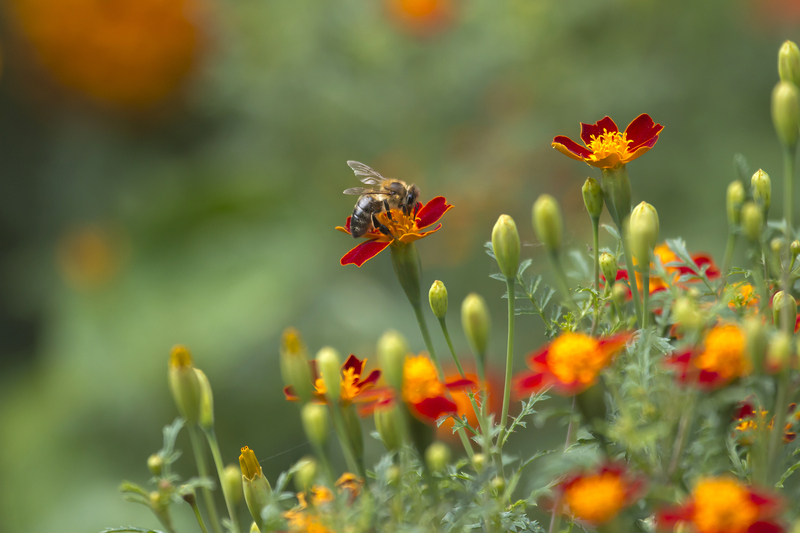
What Makes the Ultimate Garden Sanctuary?
The best garden sanctuaries blend visual appeal with practical comfort. Lush plantings, diverse textures, and intentional design foster a relaxing, restorative environment. To achieve the ultimate garden retreat, it's essential to consider:
- Sensory experiences through color, scent, and sound
- Year-round interest with diverse plant species
- Multi-functional spaces for lounging, dining, or meditation
- Sustainable and low-maintenance landscaping
- Personal touches reflecting your unique style
Understanding Landscaping Combinations for Gardens
Landscaping combinations refer to the careful pairing of different elements--plants, hardscaping, water features, outdoor furniture, and more--to create a space that's both cohesive and inviting. The best results come from thoughtful integration, ensuring all components work synergistically to support the overall theme and function of your garden sanctuary.
The Fundamentals: Layering Plants for Depth and Interest
Layering is a cornerstone of garden landscape design. Skilled gardeners utilize layering to frame vistas, establish privacy, and create lush, living walls that invite exploration. Consider these tips:
- Tall shrubs and trees as a backdrop for smaller plants
- Mid-sized perennials to add color and texture in the mid-ground
- Low-growing ground covers for the foreground, filling in gaps and suppressing weeds
- Seasonal bulbs for bursts of spring and fall color
Best Plant Pairings for Landscape Harmony
When selecting plant combinations, blend foliage types and bloom times for year-round vibrancy. Try these effective landscaping plant pairings:
- Evergreen shrubs and ornamental grasses for winter interest
- Hostas and ferns for shaded gardens
- Lavender and roses for a classic, fragrant pairing
- Dwarf conifers and flowering perennials for dynamic focal points
Mixing these plants not only maximizes aesthetics but also promotes a healthy ecosystem by attracting pollinators and beneficial insects.
Hardscaping: The Backbone of a Garden Sanctuary
Hardscaping elements--such as patios, walkways, walls, and water features--anchor your garden, define spaces, and provide structure. The perfect landscape design combines these elements with softscaping for seamless flow and utility.
Top Hardscaping Combinations
- Natural stone pathways framed by low, flowering borders
- Wooden decking surrounded by lush container gardens
- Retaining walls paired with cascading vines and shade-loving perennials
- Paved patios accentuated by built-in seating and fire pits
Opt for materials that harmonize with your home's architecture and the surrounding environment for the most cohesive effect.
Incorporating Water Features for Zen Ambiance
Water features bring soothing sights and sounds, transforming your landscape into a true sanctuary. Popular options include:
- Reflecting pools paired with minimalist plantings for a modern vibe
- Koi ponds bordered by lush hostas and irises
- Bubbling fountains surrounded by fragrant herbs and grasses
- Waterfall cascades integrated with natural rock and moss
Position water features to serve as focal points and consider ambient lighting for magical nighttime effects.
Edible Landscaping: Beauty and Function in Harmony
Today's most innovative gardens don't just appeal to the eye--they nourish the body as well. Edible landscaping combinations blend aesthetics and sustainability:
- Fruit trees underplanted with shade-tolerant herbs like mint or chives
- Blueberry bushes alongside colorful annuals for floral displays
- Vegetable beds with companion flowers such as marigolds for pest deterrence
- Vertical gardens utilizing trellised beans and cucumbers
Incorporating edibles softens traditional gardening boundaries and invites seasonal interest with blooms, fruits, and harvests.
Creative Themed Landscaping Ideas for Sanctuary Gardens
Consider tailoring your landscape to reflect a specific theme or atmosphere. Whether you crave a serene Zen retreat or a vibrant cottage escape, your sanctuary can be both a personal reflection and a showcase for creative landscaping combinations.
Zen Garden Combinations
- Gravel or sand raked in patterns for meditative appeal
- Strategically placed boulders as sculptural elements
- Japanese maples and bamboo screens for layered elegance
- Moss gardens for carpets of green serenity
English Cottage Garden Pairings
- Roses mingled with foxgloves, delphiniums, and peonies
- Meandering stone paths flanked by lavender and dianthus
- Wisteria-clad arbors for romantic entryways
- Picket fences lined with hollyhocks and daisies
Modern Minimalist Combinations
- Geometric concrete pavers with linear plant beds
- Monochrome color schemes using structural evergreens
- Simple outdoor furniture with sculptural succulents
- Metal planters contrasting with ornamental grasses
Choosing the Best Garden Sanctuary Plants
The selection of plants is central to the success of your landscape combinations. The ultimate sanctuary garden uses:
- Drought-tolerant varieties for low maintenance
- Native plants that support local wildlife and pollinators
- Plants with contrasting foliage shapes for a dynamic look
- Fragrant blossoms to engage the senses
Top Sanctuary Plants for Year-Round Interest
- Hydrangeas: Ever-changing blooms for color throughout summer and fall
- Boxwoods: Evergreens for structure and winter appeal
- Daylilies: Tolerant and dependable perennials in a range of hues
- Peonies: Classic springtime focal points
Designing Multi-Functional Outdoor Spaces
For the ultimate private refuge, include distinct zones with complementary landscaping:
- Dining nooks bordered by perfumed climbers
- Lounge areas nestled among tall grasses for privacy
- Fire pit circles encircled by aromatic herbs and low ground covers
- Meditation corners with wind chimes and water features
Lighting Combinations: Extending Enjoyment into the Evening
Outdoor lighting is transformative. Pair these elements for a magical nighttime sanctuary:
- String lights woven through pergolas and tree branches
- LED path lights guiding along walkways and steps
- Solar spotlights highlighting specimen plants or water features
- Luminescent planters offering subtle glow throughout garden beds
Thoughtful illumination ensures your sanctuary remains inviting and secure long after sunset.

Practical Tips for Planning Landscaping Combinations
- Analyze sun patterns to select correct plant varieties
- Test soil to ensure compatibility between your favorite landscaping plants
- Sketch design plans to visualize hardscape and softscape relationships
- Choose a color palette to guide cohesive plant selection
- Consult local garden centers for regionally adapted species
Tip: Build in flexibility with modular furniture or movable planters for easy updates as tastes or seasons change.
Conclusion: Your Personal Sanctuary Awaits
Designing the ultimate garden sanctuary is about more than picking beautiful plants; it's the artful blending of textures, features, landscape combinations, and personal touches that offer ongoing enjoyment and peace.
- Layer your plantings for visual depth
- Pair hardscaping and softscaping for harmony and utility
- Add water and lighting features for a multisensory atmosphere
- Consider edible plants for beauty and function
- Tailor zones for relaxation, dining, or meditation
With thoughtful planning and creativity, you can nurture your perfect outdoor retreat--a sanctuary tailored to your style and desires. Start small or dream big: the best garden landscape combinations will unfold as you explore and celebrate the limitless possibilities of your own backyard paradise.