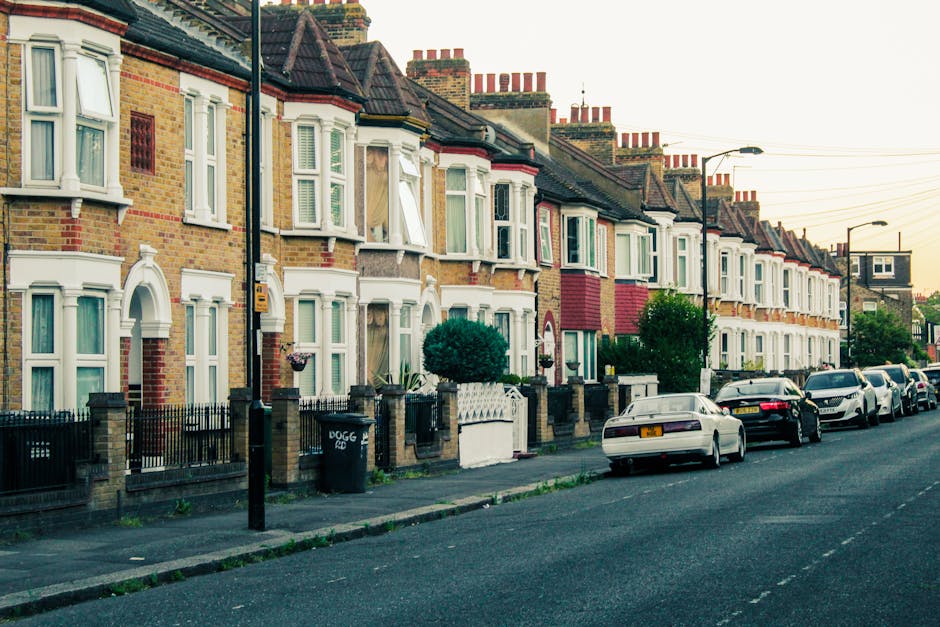
Hoe Street gardeners for flats terraces and communal gardens
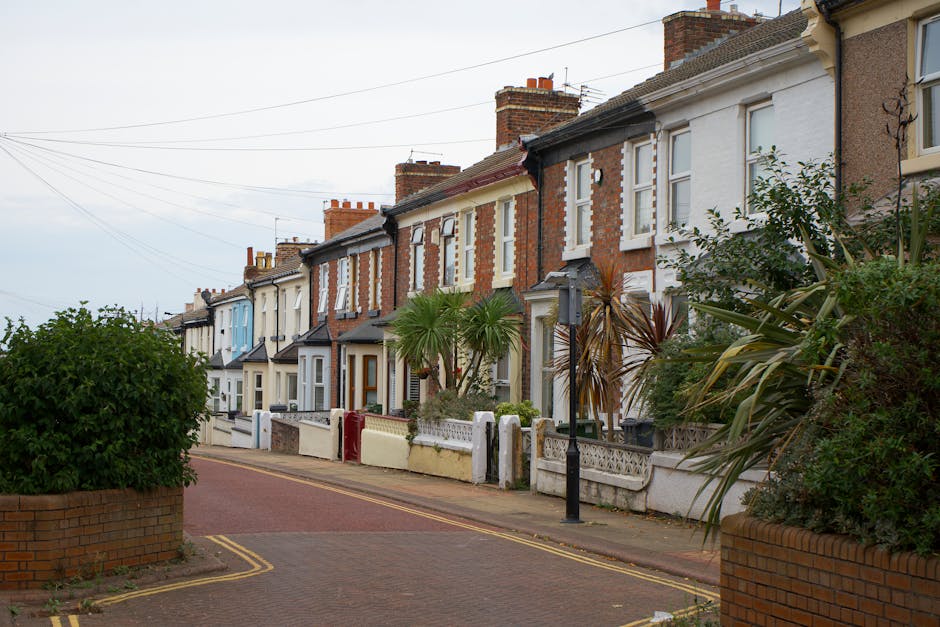
If you live in a flat, manage a terrace, or help look after a shared outdoor space, you already know the pattern: the garden is lovely in theory, then one wet week later it is full of weeds, bin clutter, patchy grass, and awkward little corners nobody quite claims. That is where Hoe Street gardeners for flats terraces and communal gardens really earn their keep. Done properly, this kind of gardening is not just about making things look neat. It is about keeping communal spaces usable, safe, welcoming, and realistic to maintain over time.
In this guide, we will walk through how shared and smaller urban gardens are usually managed, what good service looks like, the practical risks to avoid, and how to choose the right approach for terraces, rooftops, courtyards, and shared front or back gardens. You will also find a checklist, a comparison table, and a few down-to-earth tips that are easy to act on. No fluff. Just the stuff that tends to matter on an actual Tuesday morning when the planters are overflowing and someone has parked the bike across the hedge again.
Why Hoe Street gardeners for flats terraces and communal gardens Matters
Shared gardens are a different beast from a private lawn at the end of a semi-detached house. They usually have more people using them, less space to work with, more foot traffic, and far less tolerance for mess. A small problem can become a bigger one quickly. One missed hedge trim can block light. One neglected corner can turn into a weed patch. One overloaded planter can become a trip hazard. You get the idea.
Good gardeners bring structure to the chaos. They create a routine that keeps the space manageable, not just tidy for one afternoon. That matters especially for flats and terraces where access is narrow, storage is limited, and neighbours may have different expectations about what "nice" looks like. In practice, the job often involves balancing appearance, safety, access, and budget. Not glamorous, but very necessary.
There is also the social side. A communal garden can be a lovely feature when it feels cared for. It can make a building feel calmer and more looked after. People linger a bit longer. Children have somewhere cleaner to play. Residents stop apologising for the state of the place. That sounds small, but it changes how a property feels day to day.
If you are already comparing options, it can help to look at a provider's broader approach, not just one-off tidy-ups. A well-run services overview often tells you more about how maintenance, clearance, and garden improvements fit together over time.
Expert summary: For flats and communal gardens, the best gardening service is rarely the one that does the most dramatic makeover. It is the one that keeps the space workable, predictable, and easy to maintain after the team has gone home.
How Hoe Street gardeners for flats terraces and communal gardens Works
There is no single formula, because every shared space is different. A terrace with raised planters will need different care from a block of flats with a paved courtyard and a few shrubs. Still, the process usually follows a sensible pattern.
1. Site review and access check
The first step is usually a walk-through. That means looking at access points, water availability, storage, surface types, plant condition, and anything that may need extra care. Stairs, narrow side passages, locked gates, and basement light wells all matter here. The wrong setup can make a simple job awkward very quickly.
2. Agreeing the priorities
In shared settings, "everything at once" is rarely realistic. Better to decide what matters most: clearing overgrowth, getting the lawn under control, trimming boundary hedges, reviving planters, or creating a better layout for residents. This is where a practical gardening plan is worth its weight in gold.
3. Carrying out the work in stages
Most communal spaces improve fastest when the work is phased. For example, a first visit may focus on clearance and safety, while follow-up visits handle regular upkeep. That way, the garden does not swing from neglected to overworked. It becomes manageable. That is the goal.
4. Waste removal and tidy finish
A proper finish matters. Shared gardens look messy for longer than people think if cuttings, leaves, and debris are left behind. Responsible clearing and recycling are part of the service, not an extra nice-to-have. If the site needs a serious reset, garden clearance can be the practical first move before ongoing maintenance begins.
5. Regular upkeep
Once the space is under control, routine care keeps it that way. That may include mowing, hedge trimming, deadheading, weeding, pruning, and checking for damage or overgrowth. If the shared space includes grassed areas, lawn mowing becomes one of the simplest but most effective maintenance tasks.
To be fair, the best results usually come from boring consistency rather than heroic one-off effort. A tidy little rhythm beats a dramatic rescue every time.
Key Benefits and Practical Advantages
Why bother bringing in experienced gardeners for a flat or communal space instead of just asking residents to chip in? Because in most buildings, ad hoc effort eventually runs into the same problems: uneven standards, no clear schedule, and nobody wanting to be the person who always does the weeding. A professional approach solves that.
- Cleaner shared appearance: A maintained garden makes the whole property feel better looked after.
- Safer access: Less overgrowth, fewer slippery leaves, and fewer hidden trip hazards.
- Better use of small spaces: Terraces and courtyards can feel larger when layout and planting are handled well.
- Less conflict between residents: Clear responsibility and routine reduce the "who is supposed to do this?" problem.
- Healthier planting: Plants perform better when they are pruned, watered, and checked at the right time.
- Lower long-term cost: Small, regular maintenance often prevents bigger remedial jobs later on.
There is also a visual point that people underestimate. A well-kept communal garden can soften hard lines, brick walls, railings, and paving. It brings a bit of life to an otherwise rigid city setting. A few healthy shrubs and a tidy hedge can change the mood of a building more than you might expect.
If the garden includes hard landscaping, seating, raised beds, or decking, it helps to think about the full outdoor system, not just the plants. Services such as landscaping and decking services may be relevant where the aim is to make the space usable as well as attractive.
Who This Is For and When It Makes Sense
This kind of gardening is a good fit for a few very specific situations. If your outdoor space is shared, squeezed, or difficult to access, you are already in the right zone.
- Residents of flats who want a neat, shared outdoor area without arguing over chores.
- Managing agents and landlords who need the grounds kept presentable between tenant changes or inspections.
- Residents' associations and leaseholders who need a consistent schedule and clear communication.
- Terrace owners who want structure for a small garden that tends to get cluttered fast.
- Buildings with communal courtyards where appearance and access both matter.
- Properties preparing for sale or rent where first impressions count.
It also makes sense when the current setup is becoming a bit of a headache. Maybe the hedges are overhanging. Maybe the lawn is patchy and uneven. Maybe the bins, bikes, and plant pots have taken over the only usable corner. In those moments, a good gardener does more than tidy. They help you reset the space.
For ongoing care, many buildings pair the lighter-touch work with a broader maintenance plan. That is where garden maintenance can be the right backbone, especially if you want the same standards week after week.
Step-by-Step Guidance
If you are planning work for a flat, terrace, or communal garden, here is a practical way to approach it without making it more complicated than it needs to be.
- List the pain points. Is it weeds, leaves, overgrowth, broken planting, poor access, or just general neglect?
- Decide what the space is for. A decorative courtyard, a children's play area, and a quiet seating space all need different treatment.
- Check access and storage. Can tools and waste be moved easily? Are there locked gates or shared entrances?
- Separate urgent work from routine work. Safety issues first. Then the rest.
- Choose a realistic maintenance frequency. Weekly, fortnightly, or monthly may be enough depending on the site.
- Set responsibilities in writing. Even a short note helps avoid confusion later.
- Book the right mix of tasks. You might need hedge trimming, mowing, planting, pruning, or clearance in the same visit.
- Review after the first visit. What worked? What felt rushed? What still needs attention?
A practical tip: if the space is badly overgrown, start with a one-off reset before moving to routine maintenance. Trying to maintain a garden that is already out of control is a bit like trying to tidy a kitchen while the sink is still overflowing. Possible, yes. Wise, not really.
For shared boundaries, fast-growing shrubs, and privacy planting, hedge trimming is often one of the first things that pays off. It restores shape, light, and a sense of order almost immediately.
Expert Tips for Better Results
Here is the part that tends to separate a decent result from a genuinely good one.
Keep the layout simple
Smaller shared spaces usually work best with clean lines, hardy planting, and easy access paths. Overcomplicated designs look clever for about five minutes, then become a maintenance headache. Truth be told, most communal gardens are happier with structure than with novelty.
Choose plants that can cope
Flats and terraces often get more shade, more reflected heat, and more wind than people expect. Choose plants that match those conditions. A plant that needs perfect shelter in a breezy courtyard is going to sulk. And probably die quietly, which is rude but common.
Plan for resident behaviour
Shared gardens are used by real people, not magazine spreads. Someone will place a chair where it blocks access. Someone will water too much. Someone will forget their pot and leave it in the way. Design and maintenance should allow for that kind of life.
Think about maintenance before planting
It is tempting to pick the prettiest plant. Better to ask who will prune it, how often, and whether the roots are going to cause trouble later. That way, beauty does not become a burden.
Use seasonal visits strategically
Some jobs matter more at certain times of year. Early spring is often a good time for tidy-ups and reshaping. Late autumn may need leaf clearance and a final cut back. Mid-summer is when watering, deadheading, and keeping paths clear can make all the difference.
If the site includes mature shrubs or small trees that have become awkward, a cautious conversation about tree lopping and removal may be sensible. Not every tree problem needs drastic action, of course, but ignoring unsafe growth is rarely a smart move.
Common Mistakes to Avoid
Shared gardens often fail for the same few reasons. Once you know them, they are easier to spot early.
- Leaving everything to volunteers. Good intentions fade. Schedules last longer.
- Underestimating access problems. Narrow entrances and stairs can change the whole job.
- Overplanting small spaces. It may look lush at first, then becomes cramped and hard to maintain.
- Skipping waste removal. Cuttings left behind make the space look worse, not better.
- Ignoring resident preferences entirely. A garden that nobody likes will not be cared for properly.
- Trying to do too much in one visit. That usually leads to rushed work and a patchy finish.
- Forgetting safety details. Slippery surfaces, broken planters, and poor visibility are not minor issues.
A small but real issue is the "it can wait" mindset. It often cannot. A hedge that blocks a lightwell or a patch of weeds near a bin store tends to get worse faster than expected. By next week, it looks like a different job entirely.
Tools, Resources and Recommendations
You do not need a shed full of specialist gear to keep communal and terrace gardens in order, but the right tools make the work cleaner and less disruptive.
- Sharp secateurs and loppers for pruning smaller growth cleanly.
- Reliable hedge trimmers for tidy boundary work.
- Lightweight lawn equipment where grass areas are present and access is limited.
- Rakes and blowers for clearing leaves from paving and steps.
- Wheelbarrows or sturdy garden tubs for moving waste through tight spaces.
- Protective gloves and eye protection for safer handling of cuttings and debris.
- Basic site notes or a maintenance log to track what has been done and what is next.
In real life, one of the most useful resources is a simple written plan. Nothing fancy. Just a clear list of regular tasks, seasonal jobs, and any access instructions. That small bit of organisation stops gardens becoming a mystery every time the team arrives.
For properties that are trying to improve outdoor space more broadly, it can be worth combining maintenance with design thinking. A thoughtful approach to landscape gardening often makes small spaces easier to live with, not just easier to look at.
Law, Compliance, Standards and Best Practice
Shared gardens may not sound like a compliance-heavy topic, but there are still important expectations around safety, access, and responsible work. If a space is used by multiple households, the standard should be higher than a casual private garden tidy-up.
Best practice usually means keeping walkways clear, managing waste properly, avoiding unsafe working methods, and making sure any tree or hedge work is appropriate for the site. If a property manager or residents' group is commissioning the work, it is sensible to ask about insurance, safe working procedures, and how the team handles public or shared access. That is just common sense, really, but it is easy to skip when everyone wants the job done quickly.
In the UK, responsibilities can vary depending on property type, lease terms, and whether the work is being arranged by landlords, management companies, or residents themselves. So careful wording matters. If you are unsure what applies, the safest route is to confirm duties in writing rather than guessing. No one enjoys discovering a boundary issue after the fact.
It also helps to choose a provider that is comfortable discussing health and safety policy, insurance and safety, and recycling and sustainability in plain English. That tells you the service takes the practical side seriously, not just the visible finish.
For pricing, avoid assumptions. Shared gardens can vary a lot in scope, and access alone can change what is reasonable. A clear written quote is better than a casual estimate that later turns into a surprise. If you need a benchmark for planning, see the provider's pricing and quotes information before making decisions.
Options, Methods and Comparison Table
There are usually a few ways to manage flats, terraces, and communal gardens. The right choice depends on how much work the space needs and how often it changes.
| Approach | Best for | Strengths | Limitations |
|---|---|---|---|
| One-off tidy-up | Overgrown or neglected spaces | Fast reset, immediate visual improvement | Does not keep the garden under control on its own |
| Routine maintenance | Shared gardens used year-round | Stable appearance, easier to budget, less stress | Requires commitment and scheduling |
| Seasonal visits | Smaller terraces or low-use communal areas | Lower frequency, still prevents decline | May not be enough for fast-growing sites |
| Combined maintenance and landscaping | Spaces needing both care and improvement | Improves function and appearance together | Can take longer to plan and cost more upfront |
In many cases, the strongest approach is a combination. A one-off repair or clearance, then a repeating maintenance schedule, then small improvements once the basics are stable. That sequence tends to feel calmer for residents too. Less disruption. Fewer arguments. Better results.
Case Study or Real-World Example
Here is a realistic example, kept general and simple. A small block of flats had a shared courtyard that had gradually slipped into low-level chaos. Nothing dramatic. Just weeds between paving slabs, a hedge drifting into the path, tired planters, and one corner where leaves had collected so long they had become part of the furniture. Everyone noticed it. No one quite owned it.
The first step was not a makeover. It was a reset. The overgrowth was cut back, the paving cleared, the hedge shaped, and the dead material removed. Then the residents and manager agreed on a lighter maintenance routine: periodic weeding, hedge trimming, seasonal tidying, and attention to the planted areas before they got out of hand.
The change was not flashy, and that was the point. The courtyard became easier to use, easier to walk through, and far less awkward to talk about. People started putting chairs out again. A few plants were replaced with more durable ones. The whole space felt less like a neglected shared obligation and more like a place with a purpose.
That is usually what good work looks like in real life. Quiet improvement. Less drama. Better habits.
Practical Checklist
Use this checklist before booking or planning work for a flat, terrace, or communal garden.
- Identify the main problems: weeds, overgrowth, poor layout, safety concerns, or general neglect.
- Confirm who is responsible for arranging and approving the work.
- Check access routes, gates, and storage limitations.
- Decide whether you need clearance, maintenance, or both.
- List any shared rules about noise, working hours, or resident access.
- Note plants or features that need special care.
- Ask how waste will be removed and recycled.
- Agree the maintenance frequency that suits the site.
- Keep a simple record of work done and next steps.
- Review the garden after the first visit and adjust if needed.
If you can tick most of those off, you are already ahead of the game. Not perfect, just prepared. And that counts for a lot.
Get a free quote today and see how much you can save.
Conclusion
Hoe Street gardeners for flats terraces and communal gardens are about more than neat edges and trimmed hedges. They help turn awkward shared outdoor spaces into places people can actually live with. In the right hands, even a small courtyard or terrace can feel calmer, cleaner, and easier to maintain.
The key is to think practically. Start with the real problems, keep the plan simple, and choose maintenance that suits how the space is used. If the garden is already overwhelmed, deal with the backlog first and then build a routine that keeps it from slipping again. That steady approach saves time, money, and a fair bit of frustration.
And honestly, a tidy communal garden changes the mood more than people expect. It is one of those small improvements that quietly makes life better every time you walk past it.
Frequently Asked Questions
What do Hoe Street gardeners for flats terraces and communal gardens usually include?
They usually include mowing, weeding, pruning, hedge trimming, clearing leaves and debris, checking plant health, and keeping shared areas tidy and safe. In some cases, they also handle one-off clearance or simple improvements to make the space easier to maintain.
How often should a communal garden be maintained?
That depends on the size of the space, the planting, and how much the area is used. Some gardens need weekly or fortnightly attention, while others can be maintained monthly or seasonally. The main thing is consistency. Long gaps are where problems tend to creep in.
Is a one-off garden clearance enough for a shared garden?
Sometimes it is a good start, especially if the space has been neglected. But for most flats and communal gardens, a one-off clearance only solves the immediate mess. Ongoing maintenance is what prevents the garden from sliding back into the same state.
What is the best way to manage a small terrace garden?
Keep the planting simple, use containers or raised beds carefully, and avoid overcrowding the space. Small terraces work best when access stays easy and every plant has a clear purpose. Less clutter usually means less maintenance and a better-looking result.
Can gardeners help with overgrown hedges and shrubs in communal areas?
Yes. Hedge trimming and shrub reduction are common jobs in shared spaces. It helps restore light, shape, and access. If growth is heavy or the plants are very tall, it may need a more careful assessment first.
How do I choose between maintenance and landscaping?
If the space already works but needs regular care, maintenance is usually the right choice. If the layout is awkward, the planting is tired, or the area is hard to use, landscaping may be more appropriate. Many people start with maintenance and then add improvements later.
Are communal garden jobs different from private garden jobs?
Yes, quite a bit. Communal spaces need clearer communication, better scheduling, and more attention to access and shared responsibility. The work also has to suit more people, which means the finish and safety considerations matter more.
What should I ask before booking a gardener for a flat or communal garden?
Ask what is included, how waste will be removed, whether they are insured, how access will be handled, and whether the job is a one-off or part of an ongoing plan. It is also sensible to ask how they deal with health and safety on shared sites.
Do communal gardens need special safety checks?
They should be treated carefully because multiple people use them. That means looking out for slippery surfaces, trip hazards, poor visibility, broken planters, and access issues. Good practice is to address those problems as part of the maintenance routine, not afterwards.
How can I keep costs under control for shared garden work?
The best way is usually to keep the work regular and avoid letting the garden reach a crisis point. A clear maintenance schedule is often cheaper over time than repeated emergency clean-ups. It also makes budgeting much easier for residents or managers.
Can gardening services improve the look of a rental property or block of flats?
Absolutely. A tidy outdoor space improves first impressions, makes the property feel cared for, and can reduce the sense of wear and tear. Even simple work like mowing, edging, and pruning can make a building feel more welcoming.
What if residents disagree about how the garden should look?
That is very common. The best answer is to agree a practical baseline: safe, tidy, accessible, and easy to maintain. Once that is in place, any decorative choices can be discussed without the whole thing turning into a weekly debate.
Where can I learn more about the company and its approach?
You can start with the about us page to understand the service philosophy and then review the site's policies such as payment and security and terms and conditions if you are planning ahead. It is a sensible way to check the basics before booking.